

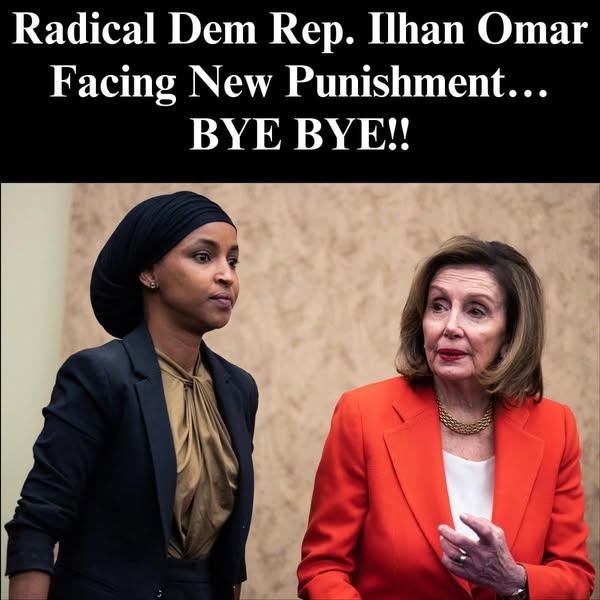
In a moment that has generated widespread criticism, intensified political polarization, and prompted a fresh round of national discourse about race, immigration, and constitutional rights, freshman Republican Congressman Brandon Gill of Texas found himself at the center of a deepening controversy this week. His remarks, delivered via the social media platform X (formerly known as Twitter), have sparked condemnation from both sides of the political aisle, ignited fierce debates among legal scholars, and raised serious questions about the limits of political rhetoric in a democratic society.
At the heart of the controversy lies a statement made by Rep. Gill targeting Representative Ilhan Omar, a Somali-American Democratic Congresswoman representing Minnesota’s 5th District. Rep. Omar, who has been a frequent subject of right-wing criticism since her election in 2018, was born in Somalia and came to the United States as a refugee during her childhood. She later became a naturalized U.S. citizen, forged a successful career in public service, and rose to national prominence as one of the first two Muslim women elected to Congress.
Gill’s comment, which read “America would be a better place if @IlhanMN were deported back to Somalia,” was posted alongside a video clip of Omar speaking to a group of Somali immigrants. In the clip, Omar offers legal guidance on how immigrants—especially those who may be undocumented—can and should respond when approached by federal immigration authorities. Her message, rooted in well-established civil rights law, emphasized the importance of knowing one’s legal rights, remaining silent when necessary, and seeking appropriate legal representation in the face of possible detention or deportation.
The video was originally circulated by a right-wing commentator known for posting content critical of progressive lawmakers, especially those from immigrant or minority backgrounds. In sharing the clip, Rep. Gill appeared to insinuate that Omar’s actions were subversive or un-American, despite the fact that her advice was grounded in constitutional protections extended to all individuals living in the United States, regardless of immigration status.
The backlash to Gill’s tweet was immediate and intense. Civil rights organizations, constitutional lawyers, and political leaders across the ideological spectrum condemned the remark, characterizing it as not only deeply offensive but also fundamentally anti-democratic.
Legal and Political Experts Weigh In
Legal experts were among the first to weigh in, noting that Rep. Omar is a naturalized citizen of the United States, with the same legal rights and protections as any other U.S.-born citizen. The notion that she could or should be “deported” is not only legally baseless, they argued, but reveals a dangerous misunderstanding of American law and democratic principles.
Neal Katyal, former Acting Solicitor General of the United States, commented, “This is not just offensive rhetoric—it’s constitutionally absurd. A U.S. citizen cannot be deported for exercising their First Amendment rights, especially an elected member of Congress engaging with her constituents.”
Similarly, Sherrilyn Ifill, former president of the NAACP Legal Defense Fund, warned that such rhetoric fosters a climate of exclusion and dehumanization. “We’ve seen throughout history how targeting individuals based on race, religion, or national origin can erode democratic norms. This is part of a larger pattern, and it must be called out,” she stated.
Colleagues Come to Omar’s Defense
Members of Congress from both parties responded to the controversy with varying degrees of concern and disapproval. Progressive Democrats were particularly forceful in their condemnation.
Rep. Alexandria Ocasio-Cortez (D-NY), a close ally of Rep. Omar and fellow member of “The Squad,” issued a statement saying, “It is appalling to see a sitting member of Congress advocate for the deportation of a fellow lawmaker based solely on her identity and origin. This goes against everything our Constitution stands for. It’s xenophobic, it’s Islamophobic, and it’s un-American.”
House Minority Leader Hakeem Jeffries called Gill’s comments “inflammatory, dangerous, and beneath the dignity of his office,” and called for an ethics review of the Congressman’s behavior. “When elected officials normalize hate speech, they open the door to real-world violence,” Jeffries said. “This is not a game.”
Even some Republicans appeared uneasy about Gill’s remarks, though few offered public rebukes. One anonymous GOP lawmaker told Politico, “I don’t agree with Ilhan Omar on almost anything, but calling for her deportation? That crosses a line.”
Omar Responds With Defiance and Focus
Rep. Omar herself responded with a measured but powerful statement, emphasizing both the resilience of immigrants and the urgent need to confront rising authoritarianism in American politics.
“I came to this country as a child fleeing war and violence,” she said. “I became a citizen. I swore an oath to defend the Constitution. And I continue to do that every day in Congress on behalf of the people of Minnesota. No amount of hate speech, no matter how vile or ignorant, will deter me from fighting for justice, equality, and democracy.”
Omar also used the opportunity to draw attention to the rising tide of xenophobic rhetoric being used in political spaces, particularly against Muslim Americans, immigrants, and people of color. She warned that what starts as a tweet can often escalate into real-world harassment or violence, citing past threats she has received.
The Broader Pattern of Attacks
This incident is far from the first time Omar has been targeted by members of the GOP. In fact, since arriving in Congress, she has faced an unrelenting barrage of criticism, often laced with Islamophobic or xenophobic undertones. In 2019, then-President Donald Trump infamously told Omar and three other Democratic congresswomen of color to “go back” to the “places from which they came,” despite all of them being U.S. citizens.
Trump’s comments were widely condemned at the time, yet they also galvanized certain segments of the Republican base, many of whom view Omar as a symbol of the progressive left and its growing influence in American politics. That dynamic has only intensified over time, as conservative figures continue to seize on any opportunity to portray Omar as un-American or anti-Israel, despite her strong record on civil rights and social justice issues.
A Chilling Effect on Democracy?
Many observers have warned that this kind of rhetoric has a chilling effect on democracy, especially when it targets duly elected lawmakers based on their race, religion, or immigration status. Critics argue that this sets a dangerous precedent—one in which political disagreements are not simply debated in the arena of ideas but are instead weaponized with language designed to ostracize, delegitimize, or incite.
“This isn’t just about Ilhan Omar,” said Professor Eddie Glaude Jr. of Princeton University. “It’s about whether we’re going to live up to our democratic ideals or allow them to be eroded by those who would rather traffic in fear and division.”
Calls for Accountability and Reform
In the days following the tweet, activists have called for a range of responses—from censure motions in Congress to ethics investigations, and even reforms to the House rules governing conduct and speech. Petitions demanding Gill’s resignation have begun circulating online, garnering tens of thousands of signatures within hours.
Several watchdog organizations have urged the House Ethics Committee to investigate whether Gill’s remarks violated any codes of conduct or incited discrimination against a fellow lawmaker. “If Congress is to remain a place of dignity and public service, there must be consequences for those who seek to undermine its integrity,” said a spokesperson for Citizens for Responsibility and Ethics in Washington (CREW).
Where Things Stand Now
As of this writing, Rep. Gill has not deleted the tweet or issued any sort of clarification or apology. His office released a brief statement defending his remarks as “free speech” and accused critics of “trying to cancel anyone who speaks uncomfortable truths.”
Meanwhile, Rep. Omar continues her legislative work, including efforts to improve immigration protections, expand access to healthcare, and advocate for marginalized communities.
Conclusion: A Moment of Reckoning
This latest episode is a stark reminder of the precarious state of American democracy and the high stakes involved in how elected officials choose to wield their platforms. In a time of deep national division, the words of public leaders carry enormous weight—not only in terms of public policy but in shaping the broader cultural and moral tone of the nation.
Whether this moment will serve as a turning point or merely another flare-up in an increasingly toxic political landscape remains to be seen. But one thing is clear: The struggle over what kind of country America wants to be—diverse and inclusive or narrow and exclusionary—is far from over. And voices like Rep. Omar’s will continue to be at the center of that struggle, no matter how fiercely they are challenged.