


The tragic sinking of the RMS Titanic on April 15, 1912, resulted in the loss of over 1,500 lives. Yet, one perplexing mystery remains: why were there so few human remains found in the wreckage, despite the catastrophic loss of life?
After years of searching, the Titanic’s wreckage was located in 1985, resting more than 12,000 feet beneath the ocean’s surface. While numerous personal items, such as shoes and clothing, were recovered, very few bodies were found. Of the 337 bodies retrieved, most were either buried at sea or sent back to Halifax for burial.
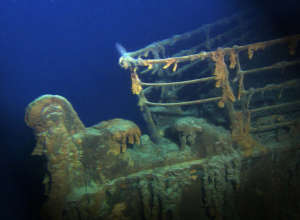
The deep-sea conditions are largely to blame for the disappearance of the bodies. The freezing temperatures and immense pressure at such depths accelerate the decomposition process, aided by bacteria and sea creatures. Additionally, the lack of calcium carbonate in the seawater means that bones dissolve over time, leaving little to no trace.
Unlike bodies in other bodies of water, such as the Black Sea, where the preservation of bones is more common, the Titanic’s resting place has proven to be a harsh environment for any remains.The wreck itself is also slowly deteriorating due to bacteria feeding on the ship’s iron structure. Experts predict that within the next 50 years, the wreck will completely collapse.

In 2023, the site of the wreckage became the scene of another tragedy, when the OceanGate Titan submersible tragically imploded during a tourist expedition, claiming the lives of all aboard. The mystery of the missing bodies continues to haunt the Titanic’s final resting place, serving as a stark reminder of nature’s power and the profound loss that occurred there.