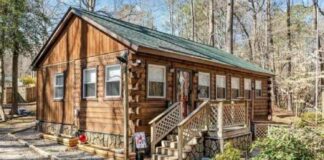


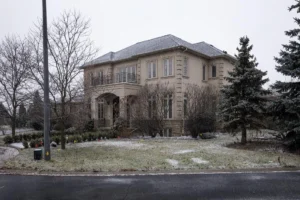
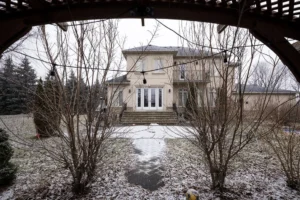
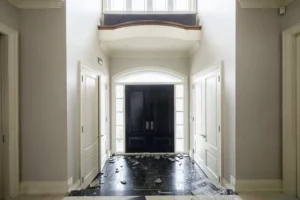
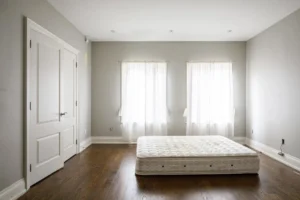
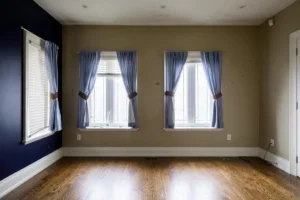
In many suburban neighborhoods, the transformation of once-beloved homes into abandoned structures is becoming an all-too-familiar sight. One property, which began as a modest ranch-style bungalow in the 1960s, later gave way to three extravagant McMansions in the early 2000s. Once a symbol of luxury, these homes now sit in decay, windows shattered and interiors stripped, awaiting demolition to make way for modern townhouses.
A Humble Beginning
The story begins in the 1960s when a single-family bungalow occupied a spacious lot. Built during the post-World War II housing boom, it represented the American Dream for many families—affordable, cozy, and located in a peaceful neighborhood. Its large backyard and mature trees provided a sanctuary for children and families, hosting summer games, picnics, and countless memories.


The Rise of the McMansion
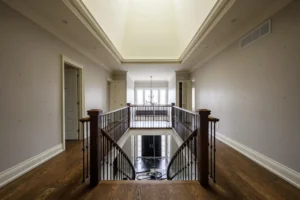
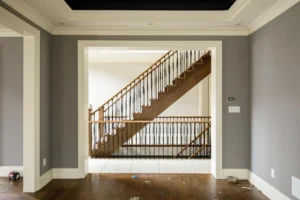
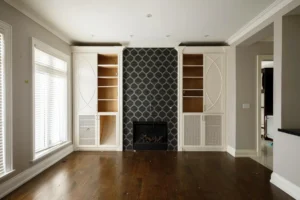
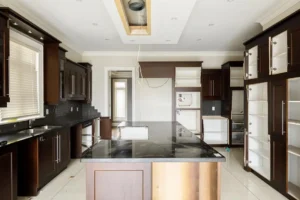
By the early 2000s, the property underwent a dramatic transformation. Developers replaced the bungalow with three oversized McMansions, reflecting a trend of upscale suburban construction. These homes, with their grand facades, sprawling interiors, and manicured lawns, quickly became symbols of wealth and modern living.

A Short-Lived Era of Luxury
Despite their initial appeal, the McMansions were not immune to the challenges of changing markets and shifting demographics. High maintenance costs, fluctuating property values, and evolving neighborhood dynamics gradually led to decreased occupancy. The grandeur that once attracted buyers began to feel unsustainable over time.

Decline and Abandonment
Today, the McMansions stand empty. Vandals and time have taken their toll, leaving broken windows, stripped interiors, and overgrown yards. Once symbols of aspiration, these homes now serve as reminders of how quickly luxury can turn into neglect when the market and circumstances shift.
The Future of the Land
Plans are underway to redevelop the site into townhouses, reflecting the growing need for affordable and practical housing in the area. This cycle of construction, decline, and renewal mirrors the broader trends seen in suburban development across the country, where neighborhoods continuously evolve to meet changing demands.
A Reflection on Change
The rise and fall of these McMansions is more than a story about architecture—it’s a glimpse into the ever-changing American landscape. From the comfort of a 1960s bungalow to the grandeur and decay of modern McMansions, the property reflects how community needs, economic trends, and housing demands shape the life cycle of a home.