

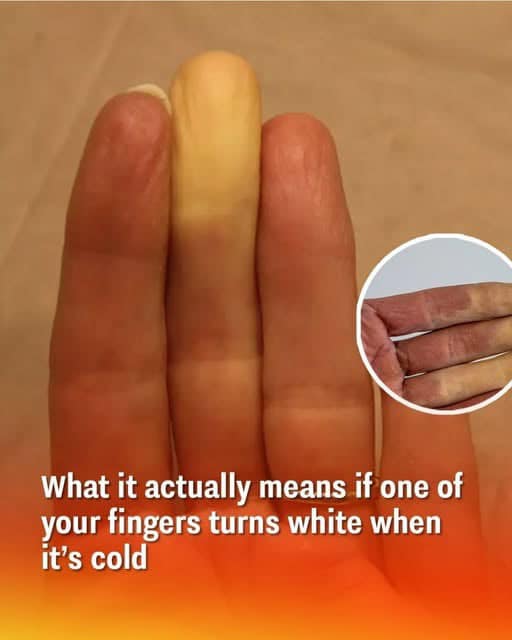
Cold Hands: When It’s Normal and When It Might Signal a Health Issue
Having cold hands during chilly weather is usually nothing to worry about—it’s a natural response as your body tries to conserve heat. But if your hands remain cold even when you’re bundled up, or they regularly feel numb or discolored, it could be a sign of an underlying health issue that shouldn’t be ignored.
One of the most common causes of persistently cold hands is Raynaud’s phenomenon, a condition where the small blood vessels in the fingers temporarily overreact to cold or stress. During an episode, fingers may turn white, blue, or even purple, and can feel numb or tingly. These episodes can last from minutes to hours and often resolve with warmth or stress relief.

Another possible cause is poor circulation, which can be linked to conditions such as peripheral artery disease (PAD), diabetes, or heart disease. When blood flow to the extremities is limited, your hands (and feet) may feel unusually cold, even when the rest of your body is warm. In these cases, cold hands could be a warning sign of something more serious affecting your vascular health.
Thyroid disorders, particularly hypothyroidism, can also lead to a drop in body temperature regulation. An underactive thyroid slows down the body’s metabolism, which in turn can cause you to feel cold more easily—especially in your hands and feet.
Anemia, a condition characterized by low levels of healthy red blood cells, may contribute as well. Without enough red blood cells to carry oxygen efficiently, your extremities might not get the warmth they need.
Stress and anxiety are lesser-known but significant contributors. When you’re stressed, your body enters a fight-or-flight mode, which can restrict blood flow to your hands as it redirects circulation to vital organs. Similarly, dehydration can reduce blood volume and circulation efficiency, resulting in cold extremities.
When to See a Doctor
While cold hands aren’t always a cause for concern, certain symptoms should prompt you to seek medical advice. These include:
-
Hands turning white, blue, or purple
-
Persistent numbness or tingling
-
Cold hands accompanied by fatigue, weight changes, or skin changes
-
Sores or ulcers on your fingers
-
Symptoms that worsen over time
What You Can Do
If your hands are frequently cold, there are some things you can do to help:
-
Wear warm gloves, especially in cold or windy weather
-
Exercise regularly to improve circulation
-
Stay hydrated to support blood flow
-
Manage stress through relaxation techniques like meditation or deep breathing
-
Avoid smoking, which constricts blood vessels and worsens circulation
However, if your symptoms are persistent or worsening, it’s important to consult with a healthcare professional. They can help determine the underlying cause and guide you toward the right treatment or lifestyle adjustments.
Cold hands might seem like a small problem, but they can sometimes point to a larger health issue. Paying attention to your body’s signals is the first step toward staying warm, healthy, and well.