

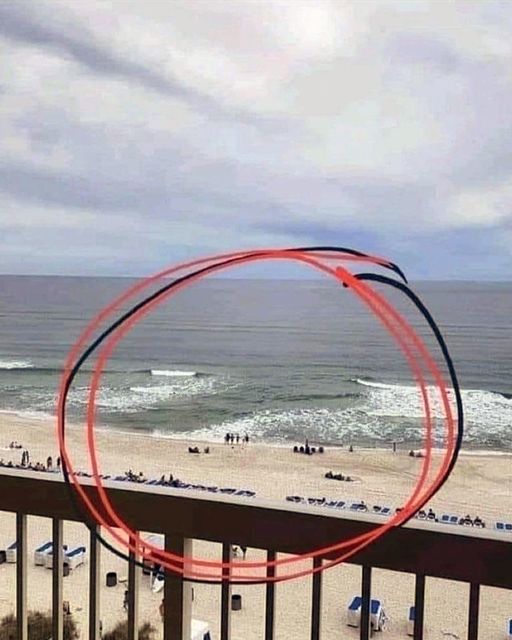
As the warmth of summer arrives, bringing with it the promise of beach days, ice cream, and endless sunshine, the ocean beckons as a refreshing retreat. There’s something magical about the feeling of the salty sea breeze against your skin, the sound of waves crashing against the shore, and the invigorating sensation of swimming in the open water. It’s an experience that many cherish, but it’s crucial to approach the ocean with respect and knowledge.
While the ocean can be an inviting paradise for those looking to cool off, it’s essential to understand the dangers it may hold. The sea is unpredictable, and beneath its inviting surface lies a world of powerful forces that can be both awe-inspiring and dangerous. With a little knowledge and preparation, however, we can ensure that we make the most of our time at the beach without putting ourselves at unnecessary risk.
One of the most important aspects of ocean safety is understanding rip currents. These strong and fast-moving currents can be terrifying and even deadly for those who are caught in them. In this article, we aim to provide vital information on how to spot rip currents, how to protect yourself, and the correct steps to take if you or someone you know is ever caught in one.
What Are Rip Currents?
Rip currents are powerful, narrow streams of water that flow from the shoreline directly out to the ocean. Often mistaken for harmless stretches of calm water, these currents can easily sweep swimmers off course, pulling them far from the shore in a matter of seconds. It’s essential to realize that rip currents are not just harmless little waves, but dangerous forces of nature that should not be underestimated.
Rip currents form under specific conditions when waves break against the shore, pushing water toward the coastline. This build-up of water seeks an outlet back to the ocean, and when the conditions are right, it forms a narrow channel that rushes back out to sea with great speed and force.
Rip currents can occur anywhere there are waves breaking near the shore, but they are especially common on coastlines with steep inclines, where the water rushes toward the land and then flows back out in a concentrated stream. Even the most experienced swimmers can find themselves swept away by these currents if they don’t recognize the signs and know how to react.
How to Spot a Rip Current
The ability to spot rip currents before entering the water is essential for both safety and peace of mind. However, detecting them can be tricky, as they often appear deceptively calm. As someone who has spent time at the beach and recently started learning about rip currents, I can tell you that it’s not always easy to recognize them, especially for those unfamiliar with the ocean.
Here are a few key signs to look for:
1. Unbroken Wave Patterns
Rip currents often appear in areas where there is a noticeable lack of waves. On a normal beach day, the waves should break and crash in a regular pattern. If you see an area of the water where there are no waves breaking, or the waves seem to disappear altogether, this could be a potential rip current.
2. A Narrow, Water Channel
Rip currents usually appear as a narrow, concentrated channel of water moving away from the shore. The surrounding area may be filled with breaking waves, but this particular stretch of water may appear relatively calm. The current might look almost like a small river running out to sea, surrounded by the churning surf.
3. Discoloration of Water
Rip currents can sometimes cause the water to appear darker or muddier. This is because the current is pulling sand and debris from the ocean floor, causing the water to become more turbid than the surrounding areas.
4. Foamy Water
As rip currents pull water back out to sea, they often stir up foam. So, in addition to looking for calm patches in the water, watch for areas of water with extra foam or turbulence that might indicate a rip current.
What to Do If You’re Caught in a Rip Current
Despite all the precautions you can take, there may still be times when you find yourself caught in a rip current. It’s important to stay calm and remember that rip currents are typically not strong enough to drag you under the water. They may pull you away from the shore, but they will not drown you unless you panic or exhaust yourself by fighting against the current.
Here’s what to do if you find yourself in a rip current:
1. Stay Calm
This is the most crucial step if you’re ever caught in a rip current. Panic can cloud your judgment and make it much harder to escape. Breathe deeply, stay relaxed, and remember that you are not in immediate danger of drowning unless you wear yourself out. Keep your head above water and focus on what to do next.
2. Signal for Help
If there are people nearby, try to signal for help. Wave your arms and shout to draw attention. Let others know that you need assistance, especially if you feel like you are getting further from the shore.
3. Swim Parallel to the Shore
One of the most important things to remember when caught in a rip current is not to fight against it. Trying to swim directly back toward the shore will only tire you out. Instead, swim parallel to the shore—across the current, not into it. Rip currents are typically narrow, so swimming sideways will allow you to eventually break free from the current’s grip.
4. Float and Conserve Energy
If you’re not able to swim parallel to the shore right away, try to float and conserve your energy. This will help you avoid becoming exhausted, and if you wait long enough, the rip current will often lose its strength and release you. If you can keep yourself afloat, even if you don’t immediately break free, help is likely on the way.
5. Signal for Lifeguards
If you’re at a beach with lifeguards, make sure they are aware of your situation. If you are too far out to swim back, lifeguards are trained to perform rescues in these types of conditions. Focus on staying afloat and let the professionals do their job.
How to Avoid Rip Currents
While there’s no way to guarantee that you won’t encounter a rip current, there are steps you can take to minimize your risk:
Swim in Designated Areas: Always swim in areas where lifeguards are present. They can help identify potential hazards and provide immediate assistance if necessary.
Check for Beach Warnings: Many beaches post signs or flags indicating the presence of rip currents. Be sure to look for these signs before entering the water, and heed any warnings from lifeguards or local authorities.
Swim with a Buddy: Never swim alone, especially in unfamiliar waters. Having someone with you can make all the difference if you get caught in a rip current or face any other type of danger.
Understand the Ocean’s Conditions: Pay attention to the weather and water conditions before heading out. If the waves look unusually strong or rough, it’s best to stay out of the water.
Educate Yourself: Learning about rip currents and other ocean hazards is one of the best ways to stay safe. The more you understand, the better prepared you will be to recognize and avoid dangerous situations.
Conclusion: Respecting the Ocean
Summer is a time to enjoy the wonders of the ocean, and by taking a few simple precautions, you can ensure that your time at the beach remains both fun and safe. Rip currents are a natural part of the sea, and while they can be dangerous, understanding how to recognize and respond to them can save lives. So, before you head to the beach this summer, take the time to learn about rip currents and other potential hazards, and enjoy your ocean adventure with the knowledge and respect that Mother Nature deserves.
Stay safe, swim smart, and let the summer fun begin!