
In the lush, green heart of South Carolina, nestled quietly on the edge of the city of Florence, lies Jeffries Creek Park—a serene, wooded trail system beloved by families, hikers, and nature enthusiasts alike. It’s the kind of place where birds sing, deer sometimes peer through the trees, and the gentle babble of the nearby creek brings peace to even the busiest minds. But for one local mom, a recent hike with her children turned into a breathtaking and educational encounter with one of nature’s more misunderstood residents—a massive snake.
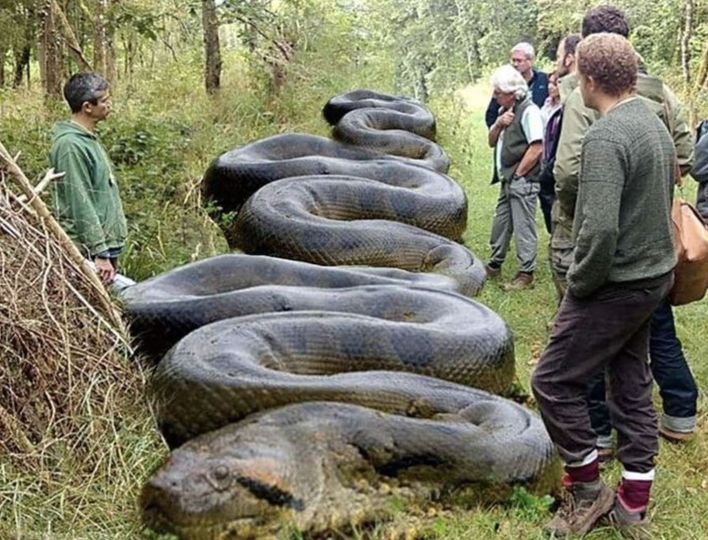
Meredith Langley, a South Carolina mother and avid outdoor adventurer, was walking the peaceful trails of Jeffries Creek with her children when they came across an unexpected visitor. Coiled silently along the underbrush and almost invisible due to its remarkable camouflage, a very large snake caught her attention. She later shared the experience in a Facebook post to the South Carolina Hiking Club, accompanied by a photo that quickly sparked conversation among wildlife enthusiasts and cautious hikers alike.
A Snake in the Wild: Not Just a Scare, But a Teaching Opportunity
Unlike the usual online stories that spin these moments into tales of panic or danger, Langley’s reaction was the exact opposite. She saw it as a teachable moment—a rare chance to show her children that not all wild animals are to be feared. Instead, they are to be observed with curiosity, respect, and a deeper understanding of their place in the ecosystem.
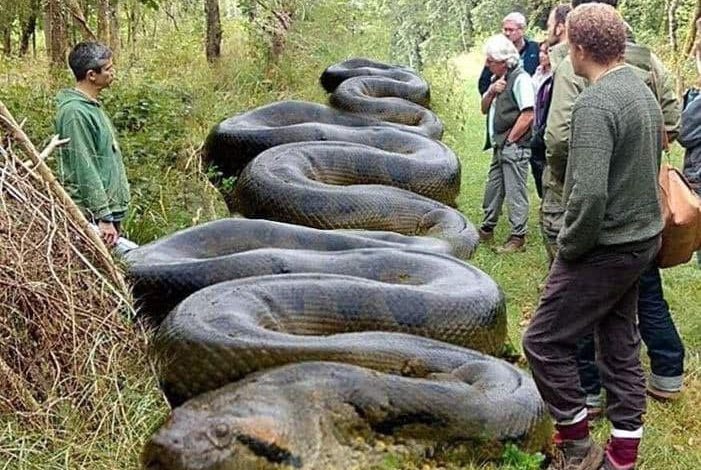
According to Langley, the snake blended in so well with the leaf-strewn ground that it was nearly invisible until they were close. This natural camouflage is one of the brown water snake’s most essential survival skills, allowing it to avoid predators and sneak up on prey. Despite the snake’s impressive size—Langley estimated it to be at least four feet long—it displayed no aggression toward the family. It simply watched them quietly, remaining still and calm in its environment.
Identifying the Mysterious Visitor: The Brown Water Snake
Though some online readers immediately assumed the snake to be dangerous, a closer look revealed a more benign truth. The reptile in question was identified as a brown water snake (Nerodia taxispilota)—a non-venomous species that is native to the southeastern United States.
South Carolina Department of Natural Resources biologist Greg Lucas later confirmed that these snakes are often mistaken for more dangerous species, such as the water moccasin (also known as the cottonmouth), due to their thick, muscular bodies and semi-aquatic habits. However, brown water snakes are not venomous and generally prefer to avoid confrontation with humans. While they may hiss or strike if provoked, they are harmless to people and play a critical role in maintaining ecological balance.
How Big Do Brown Water Snakes Get?
As Langley correctly noted, the snake was likely around four feet in length—well within the typical size range for the species. Brown water snakes commonly grow between 30 and 60 inches, though some individuals may surpass this range in favorable conditions. Their girthy bodies can make them appear larger than they are, leading to frequent confusion among hikers who stumble upon them unexpectedly.
But size aside, it’s their diet and behavior that sets them apart. Brown water snakes primarily feed on fish and amphibians, making them excellent natural pest controllers in wetland ecosystems. They are strong swimmers and often bask on branches or rocks near water, diving into the water if disturbed.
Not the First Encounter—And Probably Not the Last
Langley, a regular hiker in the Florence area, mentioned that she is quite familiar with the types of snakes found along South Carolina trails. Over the years, she has learned to distinguish between water snakes and venomous species, such as the cottonmouth. This knowledge, she says, has empowered her to walk the trails with confidence—not fear.
She encourages other hikers, especially those with children, to educate themselves on local wildlife, so encounters like this one can be moments of wonder rather than alarm. “It was calm,” she recalled. “It was watching us, but it never moved to strike or flee. That moment was about showing my kids that not every big snake is a threat, and that all creatures deserve a respectful space in our shared world.”
A Lesson in Respecting Nature
Langley’s reaction to the encounter resonated with many in the online hiking community. Her post received dozens of supportive comments from fellow hikers, wildlife photographers, and even educators who praised her calm demeanor and thoughtful parenting.
In an age where wild animals are often feared or sensationalized in the media, Langley’s response was a refreshing change of pace—one that placed empathy, education, and ecological awareness front and center.
“This was a chance to slow down and really see the world around us,” she said. “Too many people panic when they see snakes. But they’re an important part of our environment. When we show fear, we teach fear. But when we show curiosity and care, we teach understanding.”
The Importance of Knowing What’s Out There
Experts agree that one of the best ways to stay safe while hiking is to stay informed. While it’s natural to be cautious when encountering snakes in the wild, it’s equally important to understand the difference between venomous and non-venomous species.
In South Carolina, the venomous snakes to be aware of include:
Copperheads
Cottonmouths (Water Moccasins)
Timber Rattlesnakes
Eastern Diamondback Rattlesnakes
Coral Snakes (very rare)
But non-venomous snakes like the brown water snake play a vital role in controlling pests and maintaining ecological balance. They deserve protection, not persecution.
Tips for Safe and Respectful Hiking with Kids
If you’re inspired by Langley’s experience and want to foster a similar appreciation for nature in your own children, consider these tips:
Teach Identification Skills: Learn to identify the most common snake species in your area. Carry a small guidebook or use apps that help with animal recognition.
Keep a Safe Distance: Observe snakes from a distance of at least six feet. Never try to touch or move a wild snake.
Stay Calm: If you see a snake, don’t panic. Teach children to remain still, observe quietly, and slowly walk away if needed.
Use Encounters as Lessons: Turn sightings into educational moments, teaching about habitats, behavior, and the role of predators in ecosystems.
Leave No Trace: Encourage respect for nature by following the Leave No Trace principles—take only pictures, leave only footprints.
Final Thoughts: A World Worth Exploring
Langley’s story is more than just a tale of a surprising wildlife encounter—it’s a powerful reminder that nature is not something to fear but something to respect and protect. Her willingness to transform what could have been a frightening moment into a beautiful lesson for her children shows how much we stand to gain when we slow down, observe, and stay curious.
So next time you take a walk through the woods, remember: the forest is alive, full of creatures great and small. And sometimes, if you’re lucky, you might just get the chance to learn something amazing from one of them.