


In a nation grappling with one of the most severe housing crises in modern history, an unlikely solution has emerged—not from massive government infrastructure plans or luxury real estate developments, but from something as unassuming as an online shopping cart. In a world where instant gratification increasingly defines consumer behavior, the concept of purchasing a ready-to-assemble, expandable home from Amazon with just a few clicks is capturing the imagination of millions of Americans.
What once might have been dismissed as a novelty has now become a compelling symbol of hope for those priced out of traditional homeownership. As mortgage rates soar, supply shrinks, and real estate markets tighten, Americans are redefining what it means to have a place to call home. And leading that conversation, surprisingly, is a TikTok creator known as “unspeakk,” who has become something of an internet folk hero by doing what many only dream about—buying a house off the internet.
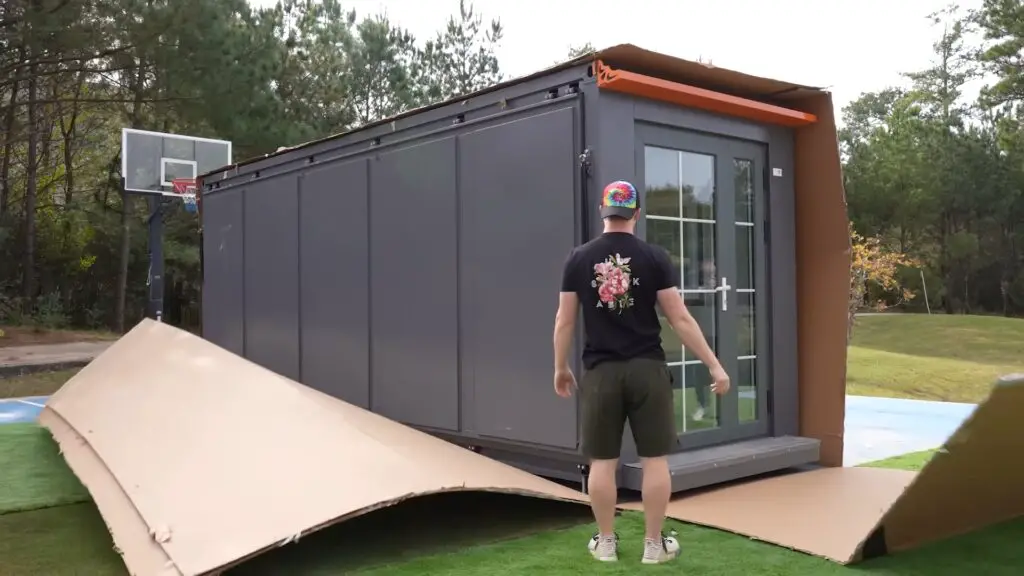
His video, which chronicles the purchase and setup of a $30,000 prefabricated expandable tiny house from Amazon, didn’t just garner attention—it sparked a movement. Nearly 31 million views later, the video has become a cultural milestone, inspiring waves of online discourse, news reports, and growing interest in mobile, minimalist housing. But beyond the viral fame lies a deeper narrative about the state of American housing and the resilience of a generation determined to make homeownership attainable again.
The tiny home he purchased, labeled as the “DOINUO Mobile Expandable Prefab House,” is more than just a quirky product listing. It’s a fully self-contained residence, complete with an indoor restroom and a separate outdoor storage shed. Its dimensions—L19 x W20 x H8 ft—may sound modest, but the compact design cleverly maximizes every inch of space, offering a comfortable and efficient living environment.
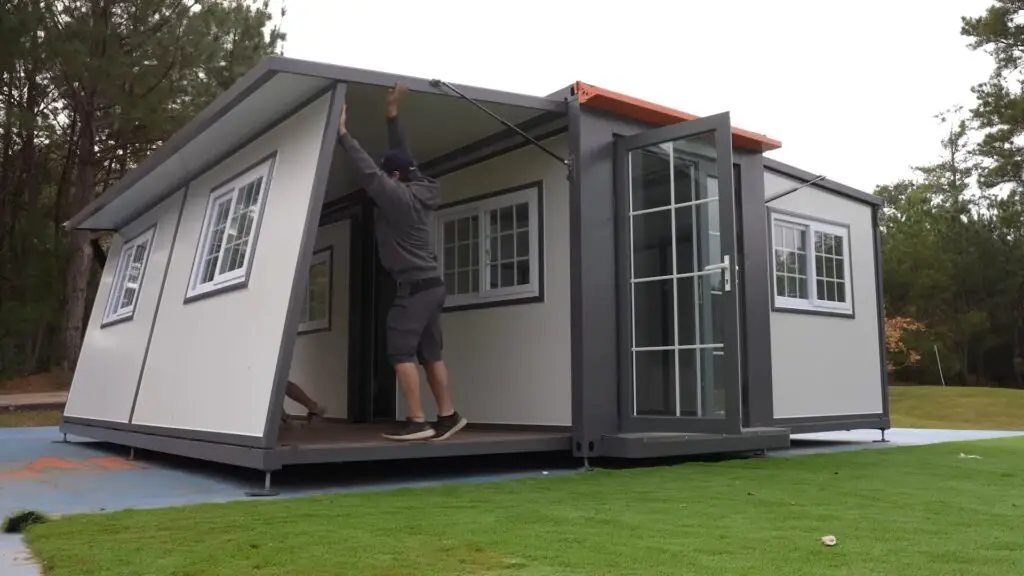
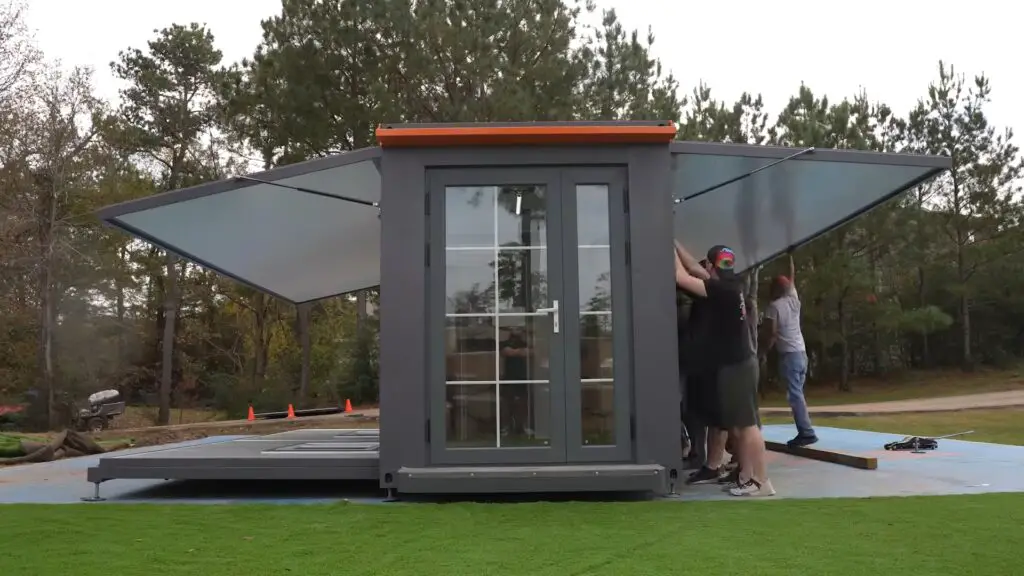
Foldable and sleek in its construction, the house is designed with mobility and space-efficiency in mind. When folded, it becomes a compact shipping unit, but when expanded, it transforms into a fully functional home. It’s this transformative nature that sets it apart: a home that can be delivered to your doorstep, expanded in hours, and lived in by nightfall.
That blend of instant delivery, compact utility, and modern aesthetics is redefining the traditional home-buying experience. Young professionals see these homes as a way to break into the real estate market without lifelong debt. Retirees see them as an ideal downsizing option—affordable, manageable, and portable. For others, it represents a form of financial and lifestyle freedom previously thought out of reach.
What’s striking is not just the affordability of these homes, but the changing attitudes they reflect. For many in younger generations—especially millennials and Gen Z—the dream of the suburban four-bedroom house with a white picket fence feels increasingly outdated. Saddled with student debt, facing stagnant wages, and priced out of urban real estate markets, these consumers are embracing smaller living spaces that prioritize quality, flexibility, and sustainability over sheer square footage.
Reports suggest that the United States is currently facing a shortfall of approximately 3.2 million homes. This supply shortage has driven up home prices, made renting more competitive, and left millions searching for realistic alternatives. For many, these tiny homes aren’t just a cool idea—they’re the only path to housing stability.
The prefabricated homes sold on Amazon and similar platforms are built to meet that demand quickly. Some models can be delivered in just days, far faster than the months—or even years—it can take to close on a conventional home. For people living paycheck to paycheck, navigating the volatile housing market, or dealing with personal emergencies, that speed can be life-changing.
Amazon currently features a growing catalog of portable tiny homes from several manufacturers, including notable names like Zolyndo and Doinuo. Prices typically range from $20,000 to $35,000, depending on features, square footage, and included amenities. The homes vary in design—from simple studio-style interiors to units that can be divided into multiple rooms including a bedroom, living space, kitchen, and bath.
Some of the more robust models offer up to 380 square feet of living space and are made with durable materials like expandable steel frames and thermally insulated walls. Many are outfitted with energy-efficient windows and wiring pre-installed for electricity and plumbing, making them turnkey options for residential or even vacation use.
Perhaps most intriguing is the flexibility these homes offer. Some buyers use them as primary residences, while others set them up as guest houses, Airbnb rentals, home offices, or backyard studios. In some communities, they’re being used to create entire neighborhoods—clusters of modern tiny homes designed for affordability, community, and sustainability.
The implications of this trend go far beyond novelty. Local governments and nonprofits are beginning to explore prefabricated tiny homes as a tool to combat homelessness and housing insecurity. In cities like Los Angeles, Austin, and Seattle, pilot programs are underway to use tiny homes as transitional housing for unhoused populations. The ability to deploy high-quality, low-cost dwellings quickly and with minimal land impact makes them ideal for such efforts.
But while the promise is enormous, challenges remain. Zoning laws, local building codes, and land use regulations vary widely across the U.S. In some areas, placing a tiny home on private property is a legal gray area—or outright prohibited. Efforts to standardize regulations and integrate tiny homes into housing policy are ongoing but uneven. Advocates are calling for more flexible codes that recognize the viability of small, prefab units as permanent residences.
The environmental appeal of tiny homes is also worth noting. With a smaller footprint comes reduced energy use, lower material consumption, and a lifestyle that encourages mindful consumption. For environmentally conscious consumers, especially younger generations deeply concerned with climate change, that makes tiny homes not only a practical choice but a moral one.
Beyond practicality and philosophy, there’s also an undeniable cultural shift happening. The rise of minimalism, digital nomadism, and van life has altered our collective vision of success. Bigger isn’t always better. Ownership isn’t always the end goal. Instead, flexibility, freedom, and experiences are taking center stage—and tiny homes deliver on all fronts.
The aesthetics of these prefabricated homes also appeal to a design-savvy generation. With clean lines, modern fixtures, and Scandinavian-inspired interiors, they offer style without excess. The idea of living in a space that feels curated, intentional, and personal—rather than sprawling and generic—has become aspirational.
Of course, skeptics abound. Critics question the long-term durability of these homes, their resale value, and the implications of relying on giant online retailers like Amazon to meet critical housing needs. And they raise important questions: Are we normalizing substandard living conditions? Shouldn’t housing be a right, not a product? Are tiny homes a solution—or just a distraction from deeper systemic reform?
But for now, the demand speaks volumes. With tens of millions watching on TikTok, thousands adding prefab homes to their wish lists, and hundreds of communities exploring how to integrate them into broader housing strategies, tiny homes are no longer fringe—they’re frontier.
As more stories emerge—from single moms building new lives in backyard cabins to retirees living mortgage-free in mountain retreats—the movement continues to grow. People are not just watching videos or reading articles. They’re buying, building, and moving in. They’re rewriting the American Dream in smaller square footage but with grander ideals.
For “unspeakk” and others like him, this isn’t about going viral. It’s about making a statement: that innovation, accessibility, and resilience can converge to create something beautiful, even in the midst of a crisis.
So while the real estate industry recalibrates, while policymakers debate, and while cities rethink the meaning of “home,” one thing is clear: a new kind of homeowner has arrived. And they’re living large—one tiny house at a time.